


The Architecture of Life
Understanding how humans really work

An editorial publication exploring how humans really work, so life begins to make more sense.
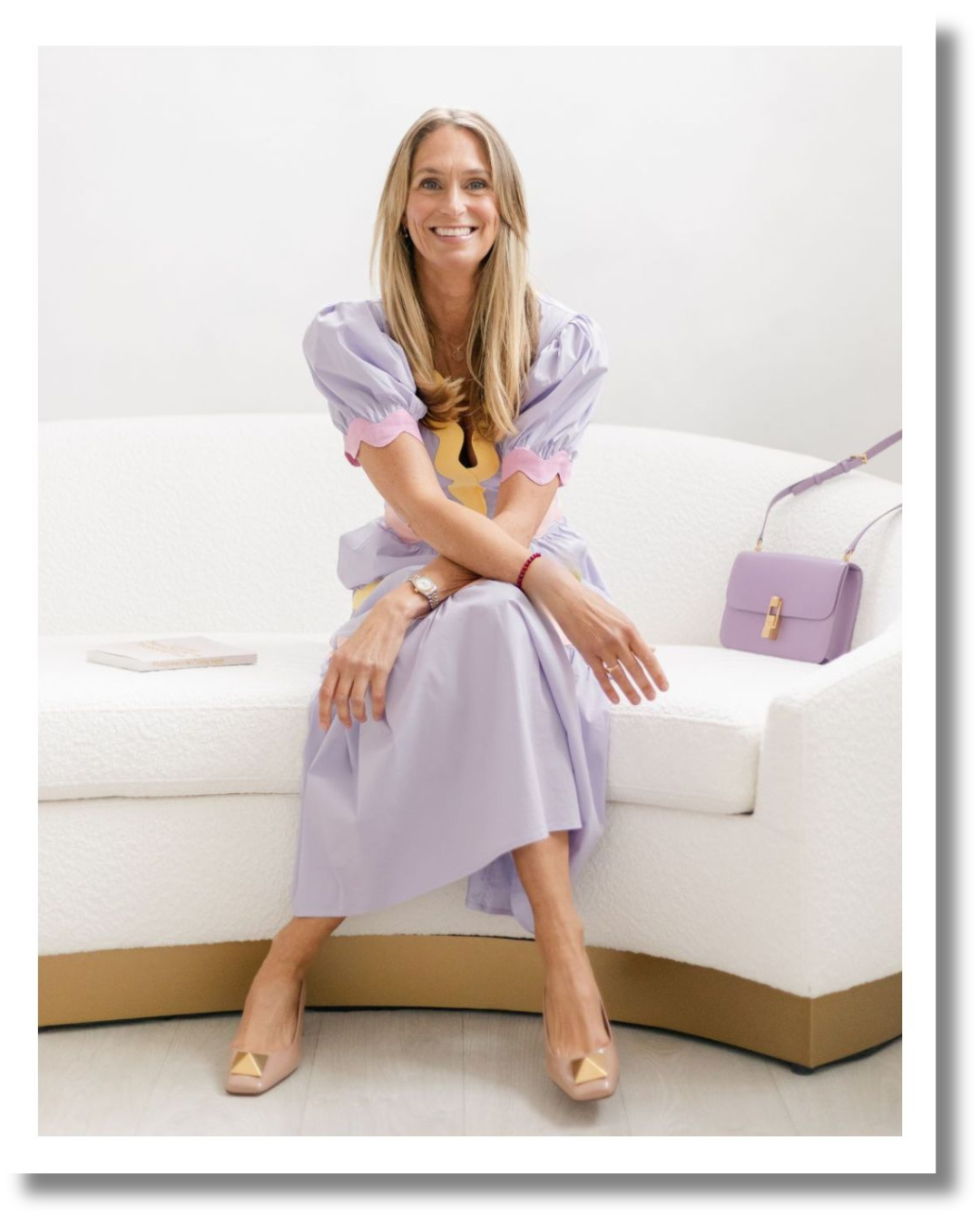
There comes a point in many lives when something begins to feel a bit off. Not dramatically and maybe not all at once, but just quietly and persistently…off. Work becomes harder but less meaningful. Rest becomes rare. Relationships begin to strain. Health starts to falter. Beauty fades into the background. And happiness begins to feel like something you have to earn. A luxury that you can no longer afford.
And, people begin to wonder if the problem is them. I know that I certainly did.
That the problem was a lack of discipline, or mindset, or resilience. That if things were not working, the answer was to try harder. Adjust more. Push through.
But over time, something else became clear.
Many of the struggles we treat as personal failures are not failures at all. They are the natural result of systems, environments, and conditions that are misaligned with how we are designed to function.
As I began observing patterns across health, relationships, work, education, and the environments people move through every day, a different picture started to emerge. What looked like burnout, loss of motivation, or emotional exhaustion were not isolated issues. They were signals.
From that understanding emerged the Architecture of Life. A way of seeing how human experience is shaped not only by who we are, but by the conditions we live within.
Once you begin to see this, many things that once felt confusing start to make sense. Burnout. Loss of direction. Creative fatigue. These are rarely failures of character. They are responses to misalignment.
This publication exists to explore how humans really work, and how the environments and systems around us shape the way our lives unfold. Through essays, reflections, and applied thinking, the Architecture of Life offers a lens for seeing more clearly, so life begins to make more sense.
FOUNDER & EDITOR
SARAH MILLER
Sarah Miller is the founder of the Exquisite Standard. She lives in Surrey with her two daughters and a horrid cat. A self-described sophisticated hippie, nature is her benchmark and food her medicine but she is by no means a saint. She sits somewhere between a librarian and a hedonist, depending on the moon cycle.
Books
Writing that explores what happens when life returns to alignment.

“Really excellent — sensible, refreshing, practical…”
Georgie Coleridge Cole | Founder & CEO, SheerLuxe
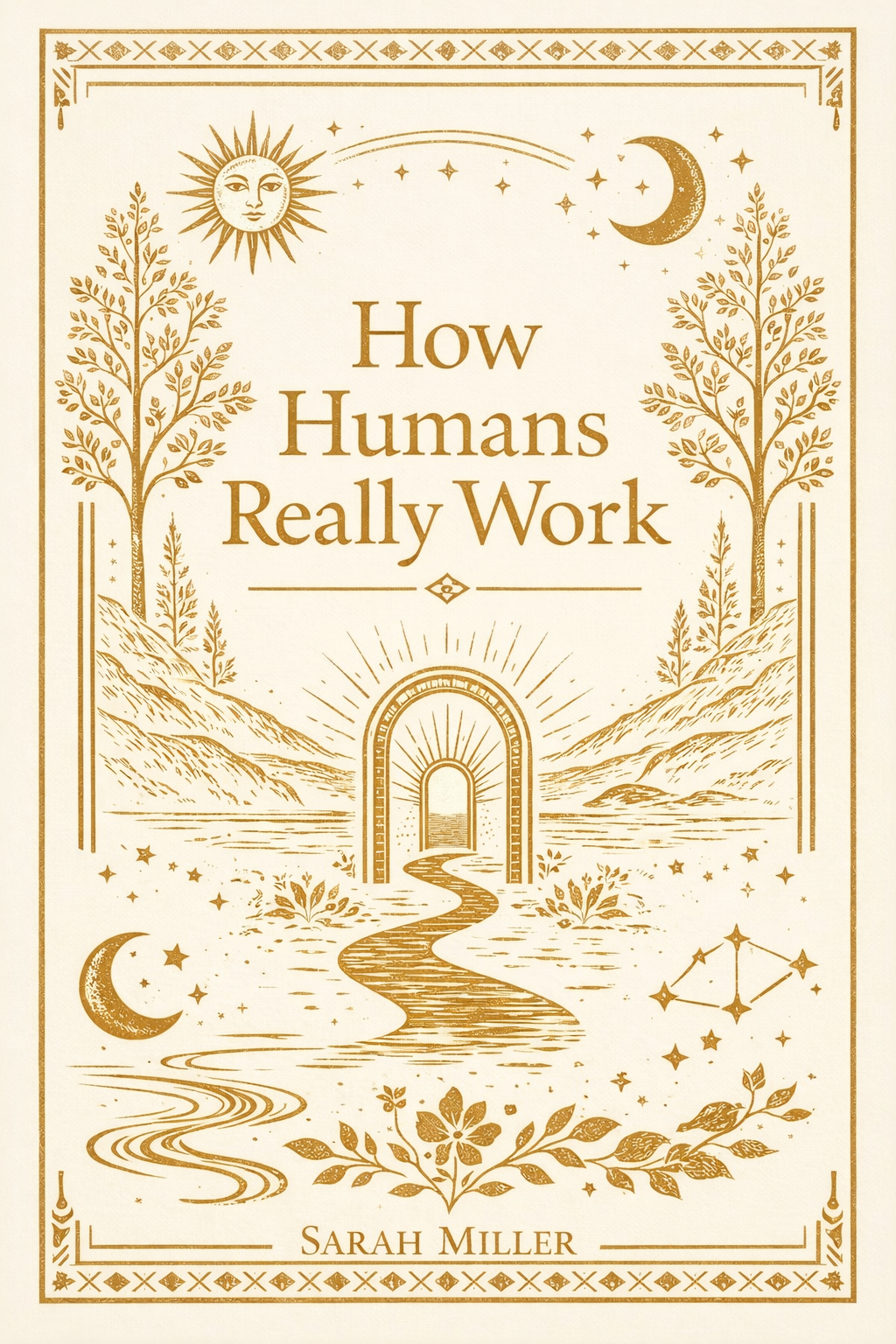
My first book ‘Permission to be F*cking Happy’ explores what happens when life drifts out of alignment, and what becomes possible when people begin to return to themselves. Rooted in my own experience of rebuilding life after divorce while raising two young children and navigating health and financial challenges that often felt insurmountable, it traces the lived beginnings of the ideas that would later become the Architecture of Life.
Coming soon

Sustainability is not something we choose. It is something that emerges when nothing is working against itself.
Clothing is the closest environment to the body
A way of seeing
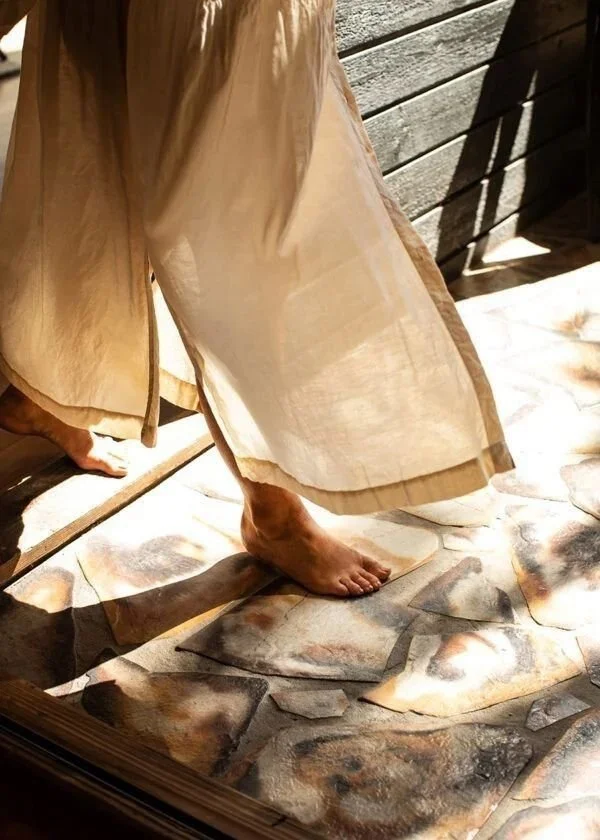
Clothing is often treated as expression.
But it is also environment…what sits against the skin shapes how we feel, regulate, and move through the world.
Taste is not indulgence. It is instruction.

Food is not something we control.
It is something the body receives. When the system is under load, even nourishment can feel like too much. When the conditions are right, the body recognises, processes, and uses what it is given with ease.
Scent is an invisible environment
Scent is an invisible layer of environment.
It enters the system before thought, shaping how we feel, regulate, and respond to a space. When it is coherent, the body settles. When it is not, the system works harder to compensate.
Foundations

The conditions that shape how a life unfolds.




Applied Manuals.
The Architecture of Life is explored not just through essays and observations but through a growing series of applied manuals examining how different domains of life function when human systems are properly understood:
-
How to create the conditions for vitality, radiance and sustainable wellbeing
-
How connection shapes human experience, and why love, safety, truth, and resonance affect how we function.
-
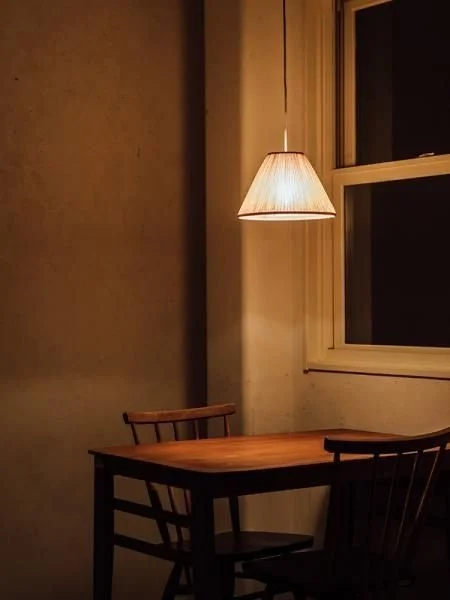
How the spaces we live in shape rest, rhythm, nervous system regulation, and the quality of everyday life.
-
How human development is shaped by environment, attachment, regulation, and the conditions children grow inside.
Beauty is often treated as something to pursue. Something to fix, improve, or achieve. But for many people, the harder they try to create it, the further away it seems to move.