

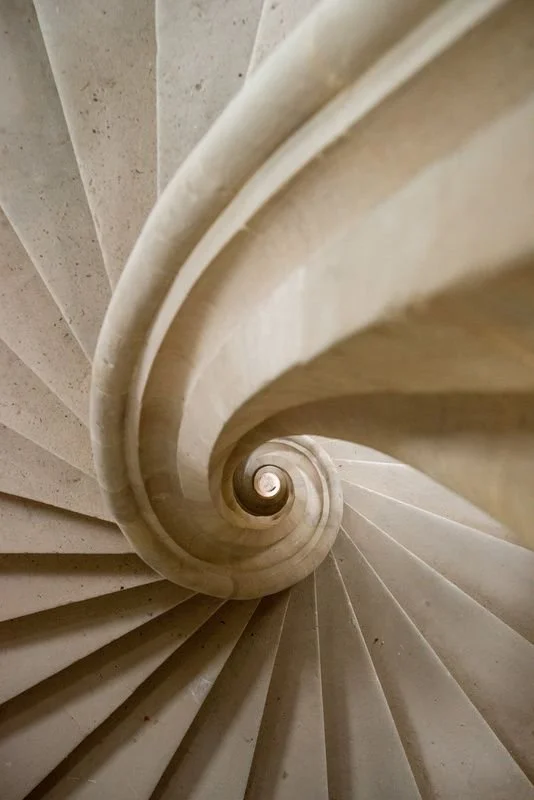
I - Why natural materials calm the human system
Natural materials such as wood, stone, linen and clay have long been associated with calm environments. Increasingly, research in environmental psychology and human systems design suggests that natural materials help regulate the nervous system by reducing sensory load and supporting biological coherence in built environments.

II - Why silence is the most underrated luxury
Silence is becoming one of the rarest conditions in modern environments. Constant noise, stimulation and information place the nervous system under continuous load. Increasingly, research in environmental psychology shows that quiet spaces allow the brain to recover, regulate stress and restore attention.
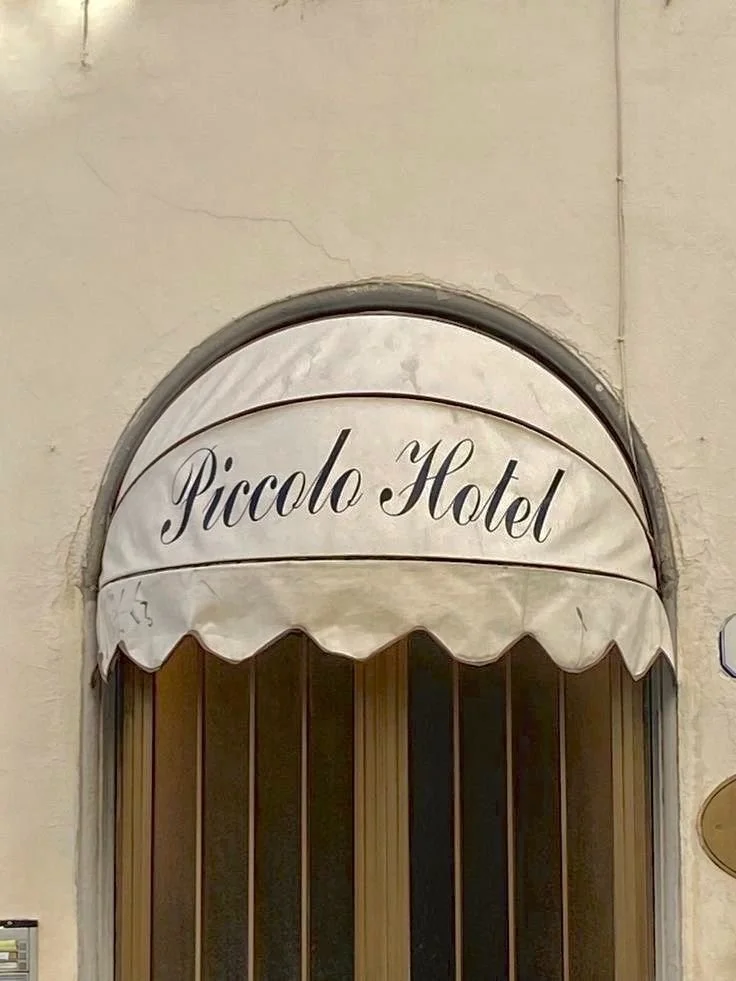
III — Why great hotels feel effortless
Some hotels feel calm and effortless the moment you arrive. Others, despite beautiful interiors and expensive materials, feel subtly tense. Increasingly, this difference has less to do with design and more to do with the operating systems behind the environment.
IV — Why staff wellbeing shapes guest experience
In hospitality, atmosphere is often treated as something that can be designed. Lighting, music and materials all contribute to the guest experience. But the emotional tone of a place is often shaped by something less visible; the wellbeing of the people working inside it.

V — Why rhythm matters in hospitality environments
Every hospitality environment runs on rhythm. Guests arrive and depart, services begin and end, and teams move between moments of intensity and recovery. When these rhythms are coherent the experience feels calm and effortless. When they are not, the strain becomes visible.